
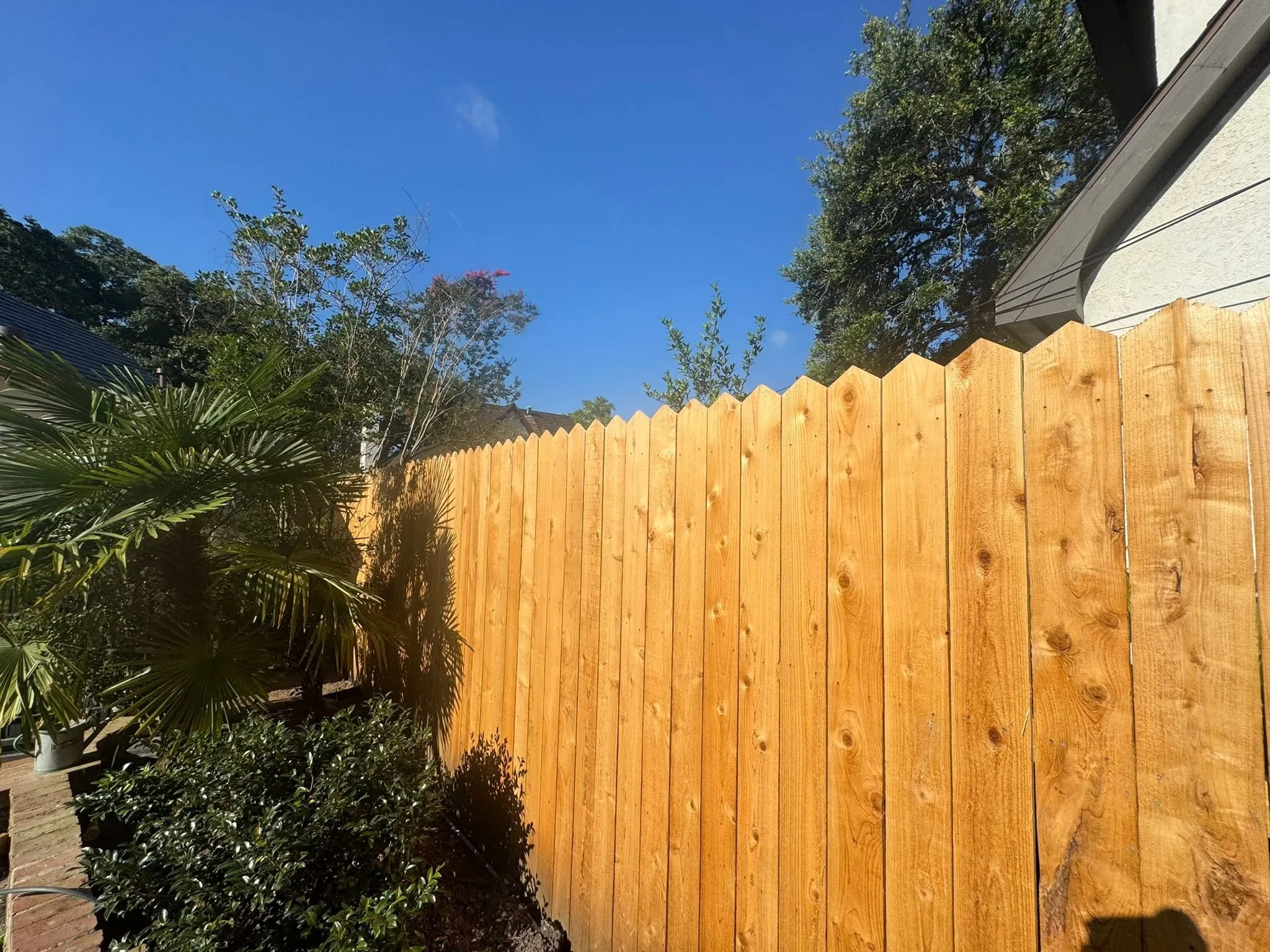
Homeowners and businesses in Baton Rouge often ask how tall a fence can be before choosing materials, ordering panels, or scheduling installation. The answer is not always the same for every property. Fence height rules can depend on whether the property is inside the City of Baton Rouge limits, elsewhere in East Baton Rouge Parish, the zoning district, the fence location, the lot type, and any homeowners association or subdivision restrictions.
Front-yard fences, backyard privacy fences, corner-lot fences, pool barriers, and commercial security fences may all be treated differently. A fence that works on one property may need approval, adjustment, or a different design on another. This guide explains the common fence height considerations Baton Rouge property owners should review before installation, including front and backyard limits, permits, zoning, HOA rules, corner lots, commercial fencing, materials, visibility, and site conditions that can affect compliance. Before installation, confirm current requirements with the appropriate city-parish office, HOA, or governing body for your specific property.
Fence height limits typically differ between front and backyard locations to balance privacy, safety, and neighborhood aesthetics. While exact height limits vary by zoning district, lot type, and HOA rules, common practices include backyard fences not exceeding 6 feet and front-yard fences usually restricted to 3 to 4 feet to maintain visibility. Always confirm specific limits based on your property's location and regulations.
| Location | Common Fence Height Limit | Comments |
| Backyard | Often up to 6 feet | Subject to zoning district and lot-specific rules; provides privacy |
| Front yard | Typically 3 to 4 feet | Ensures visibility and neighborhood aesthetics; varies by zoning and lot type |
Yes, they usually differ to maintain safety and a sense of community. Backyards may allow taller fences for privacy, while front yards generally have lower maximum heights to preserve clear sight lines for drivers and pedestrians.
Lower front-yard fences help maintain clear sightlines, especially on corner lots and near driveways, where local visibility rules apply.
Permit and approval requirements vary depending on fence height, location, materials, zoning, and function (such as pool barriers or commercial fencing). Verify current permit requirements with the City-Parish permitting office before construction or modifications to avoid penalties or delays. Permits may be required for new fences exceeding certain heights, modifications increasing fence height, or zoning exceptions.
Zoning districts influence permissible fence heights, styles, and locations. Residential, commercial, mixed-use, and industrial zones enforce different limits and design standards tailored to safety and community needs. Some zones may require fences to match neighborhood character. Some commercial zones may allow taller fences, depending on zoning, use, screening requirements, security needs, and site visibility.
Many residential zones may allow fences up to 6 feet in backyards, but approval or permit requirements depend on zoning district, lot type, HOA rules, and project details. Front-yard installation of 6-foot fences is generally restricted due to safety concerns unless a variance is granted. Homeowners should consult local regulations, HOA rules, and obtain necessary permits before installation.
Yes, corner lots often have stricter rules to maintain traffic safety, including lower fence height limits within designated setback and sight triangle areas, as well as restrictions on fence opacity and design. Consult local ordinances carefully to avoid safety hazards.
HOA rules can be more restrictive than city or parish ordinances, imposing lower height limits or specific material and design standards to preserve neighborhood aesthetics. Homeowners must comply with both municipal regulations and HOA covenants.
Discrepancies require compliance with both public codes and HOA approval processes. Review HOA covenants and local regulations before installing a fence.
Non-compliance can lead to fines, enforcement actions, orders to modify or remove fences, and complications during property resale or disputes.
To ensure compliance, homeowners should:
Fence height measurement and installation can become more complicated when a property has slopes, retaining walls, gates, decorative features, or visibility requirements.
Commercial properties may have additional security, screening, visibility, and access-control requirements. Some commercial zones may allow taller fencing than residential areas depending on zoning, use, and approval.
Regulations consider zoning allowances, security features like barbed wire and access control, screening to minimize visual impact, visibility concerns near driveways/intersections, and permitting for materials, height, and placement.
Materials can influence approval depending on HOA, subdivision covenants, or design standards. Wood, vinyl, chain-link, ornamental metal, and security fencing may be acceptable in different contexts. Approval often factors in visibility, opacity, neighborhood standards, and security features.
Early planning can reduce the risk of delays, correction notices, neighbor disputes, or costly changes after installation.
Fence height rules in Baton Rouge are not always based solely on height. Location, zoning district, front-yard or backyard placement, corner-lot visibility, HOA rules, easements, pool-barrier requirements, commercial use, and site conditions can all affect what is allowed.
Before moving forward, confirm the property line, review any HOA or subdivision rules, check for easements or utility servitudes, and verify whether a permit or approval is required. If the fence is near a driveway, intersection, retaining wall, slope, pool, or commercial access point, the layout may need closer review before materials are ordered.
A local fence contractor can help review the proposed fence height, layout, gate locations, access points, and installation conditions before work begins. For final code, permit, HOA, or property-line requirements, confirm with the appropriate city-parish office or governing body.
